Bringing you the tools, skills and cultural knowledge needed to advance Reconciliation and Indigenous engagement in conservation and sustainability.
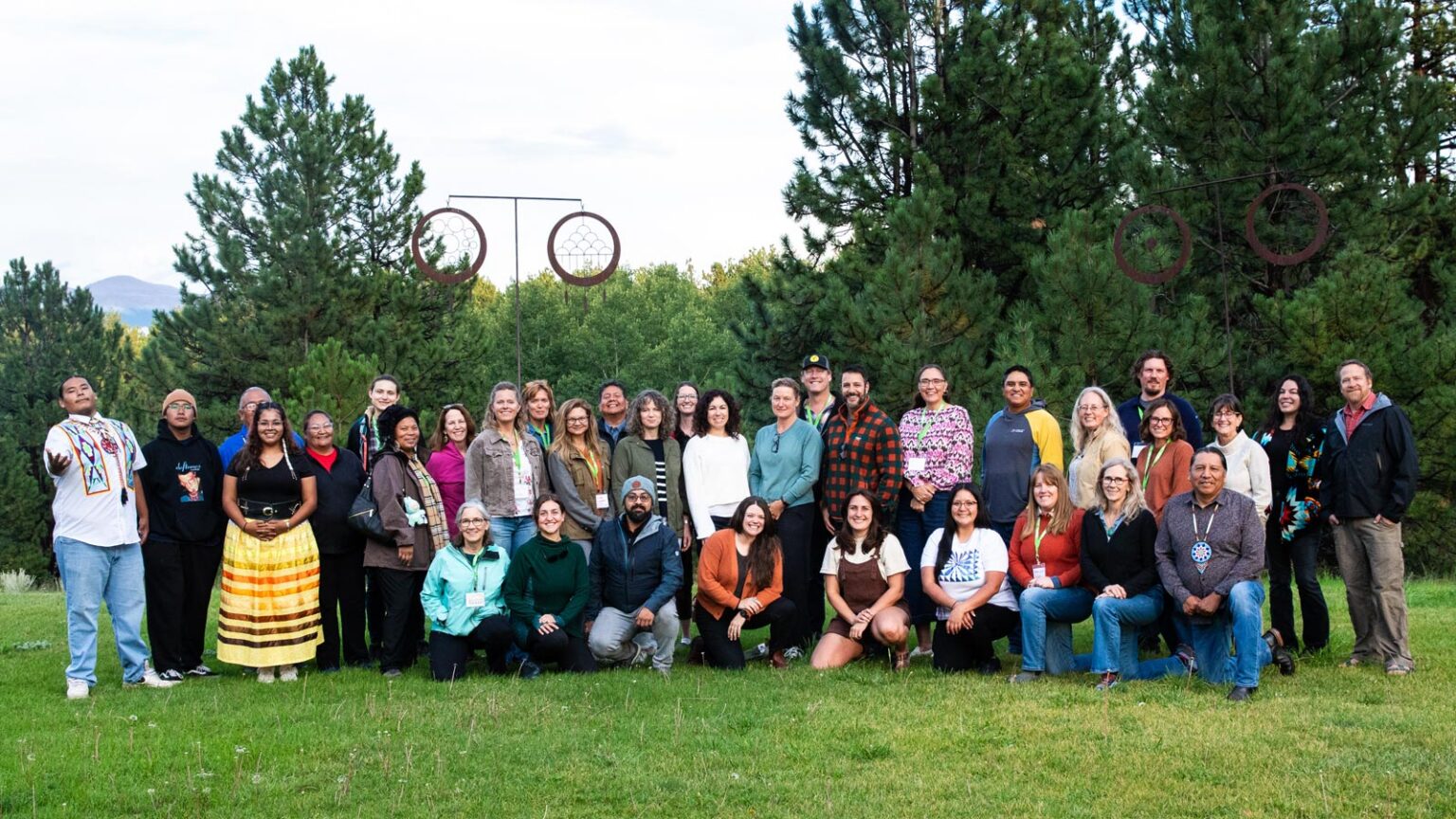
Salazar Workshop August 2025
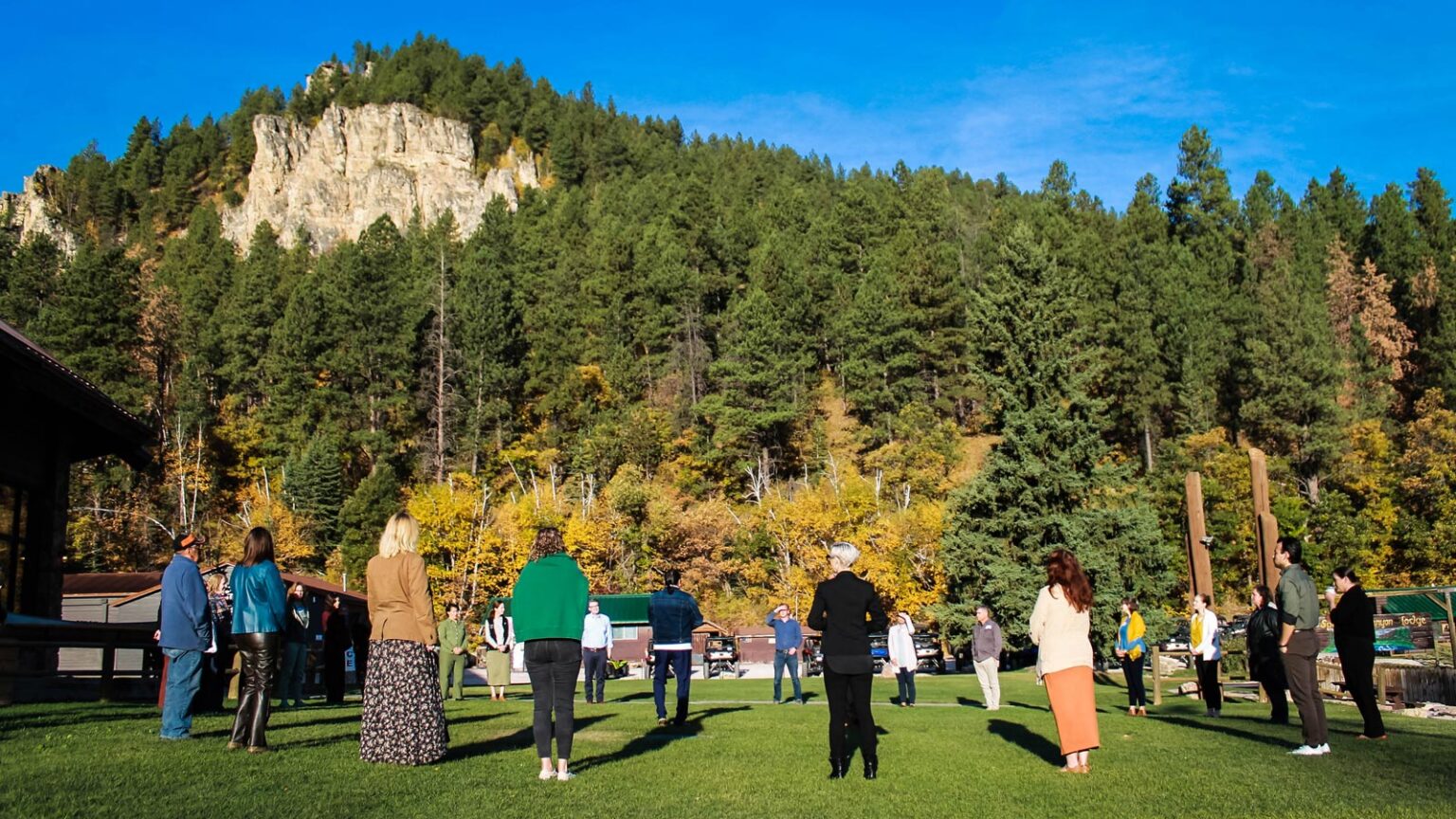
IEI Workshop, (Black Hills), He Sapa, Lakota Territory, South Dakota, 2024
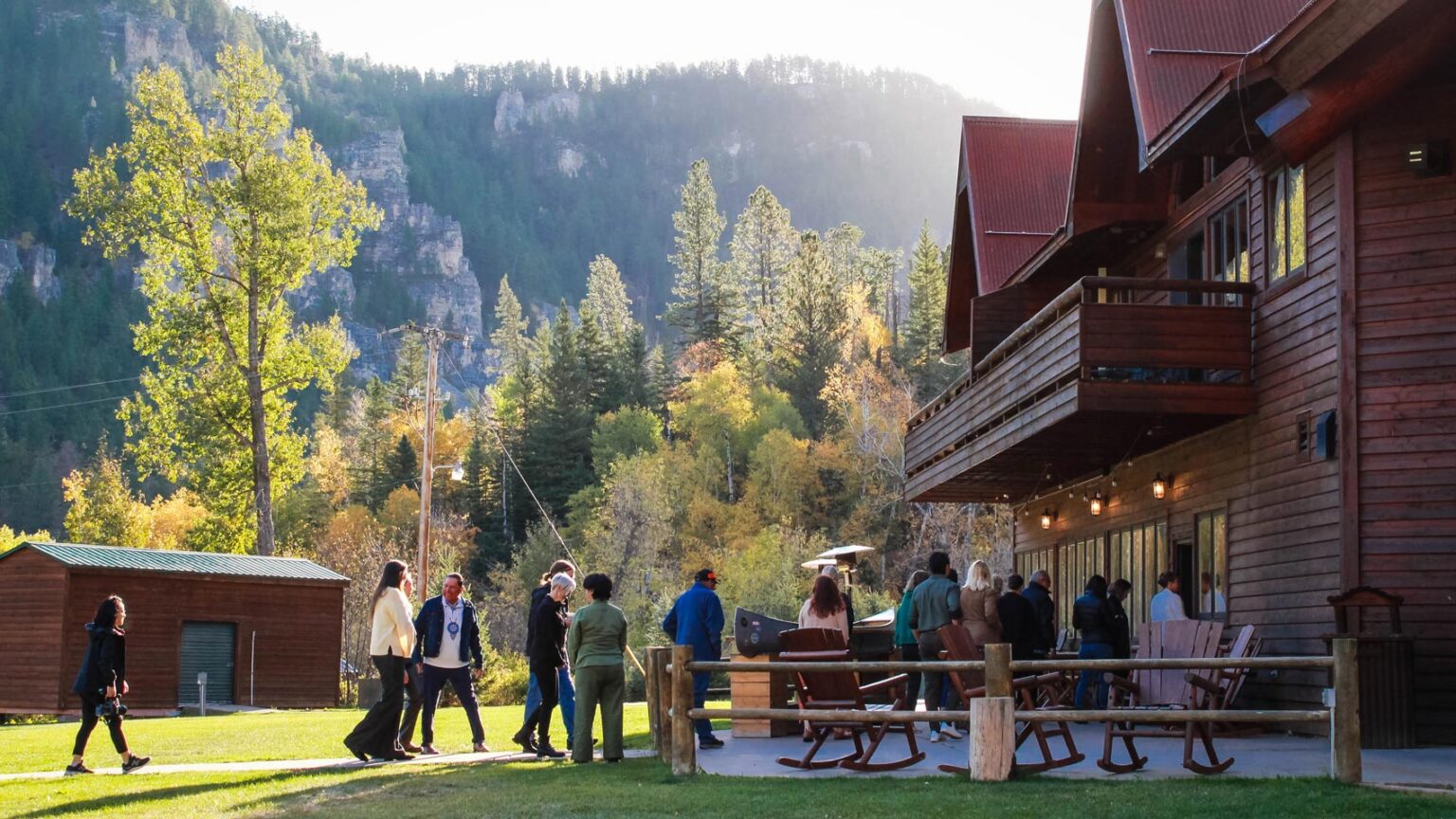
IEI Workshop, (Black Hills), He Sapa, Lakota Territory, South Dakota, 2024
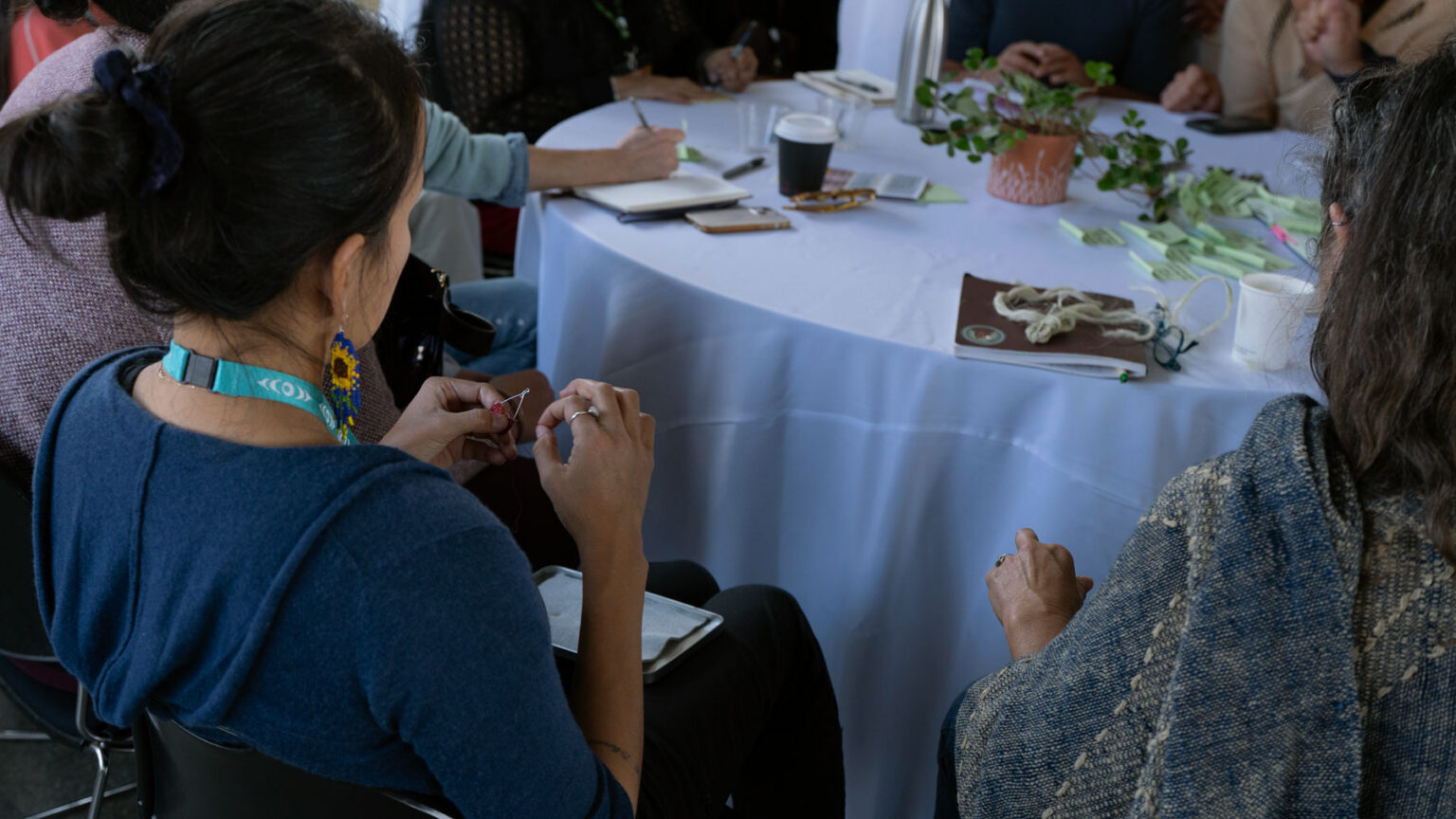
Group work at the Economic Futures Summit 2025
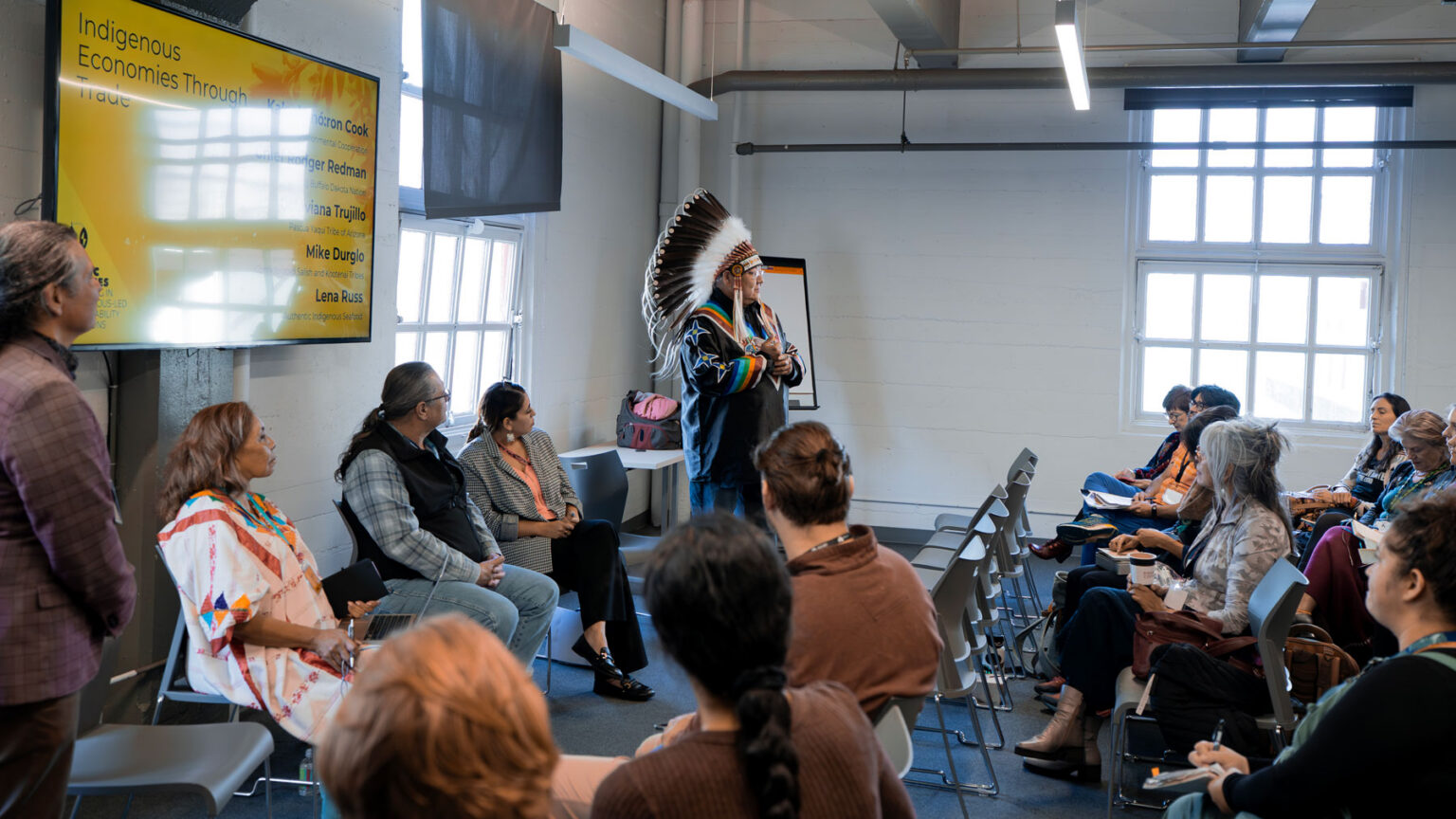
Chief Rodger Redman presenting at the Economic Futures Summit 2025
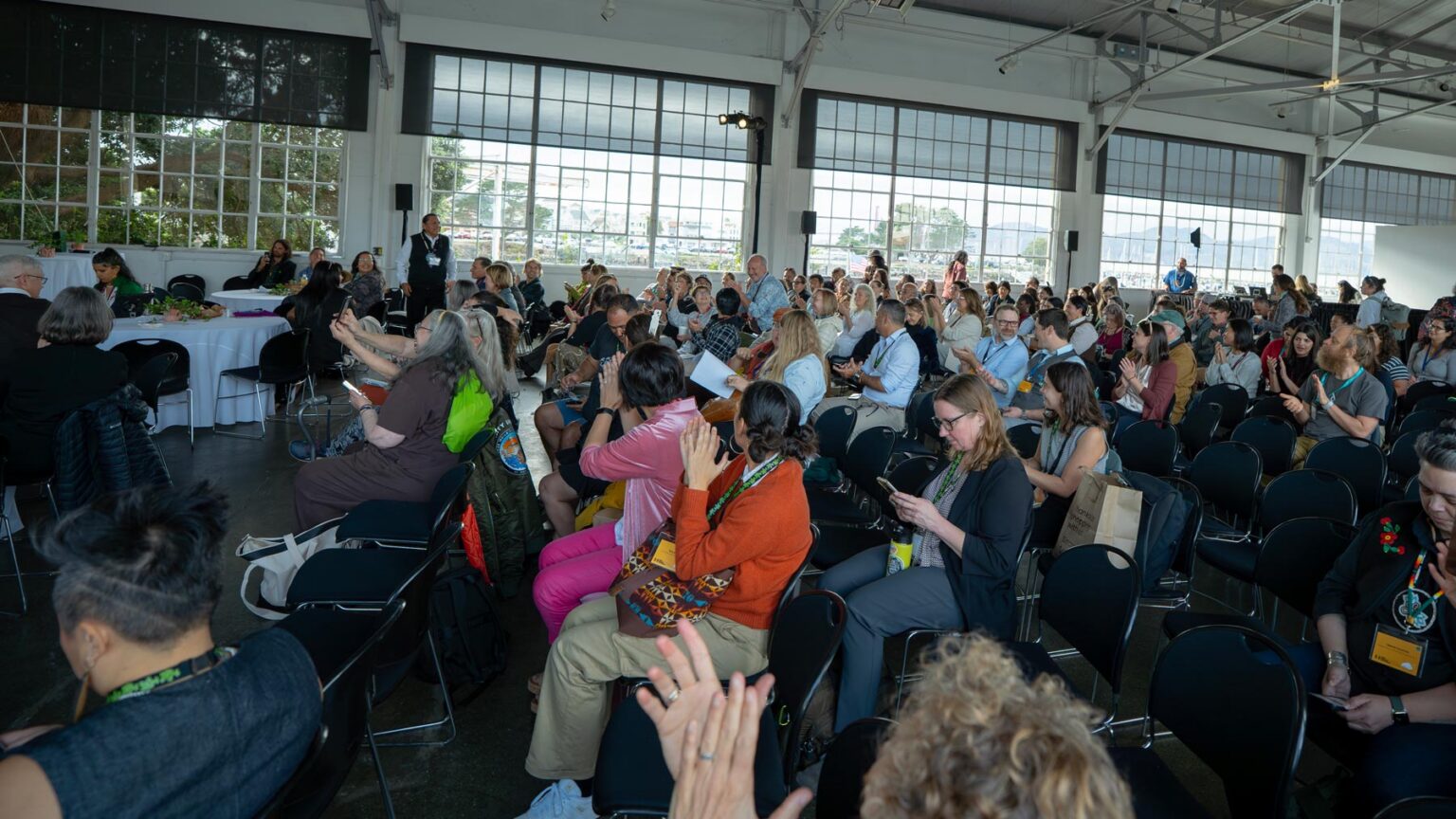
The Economic Futures Summit 2025
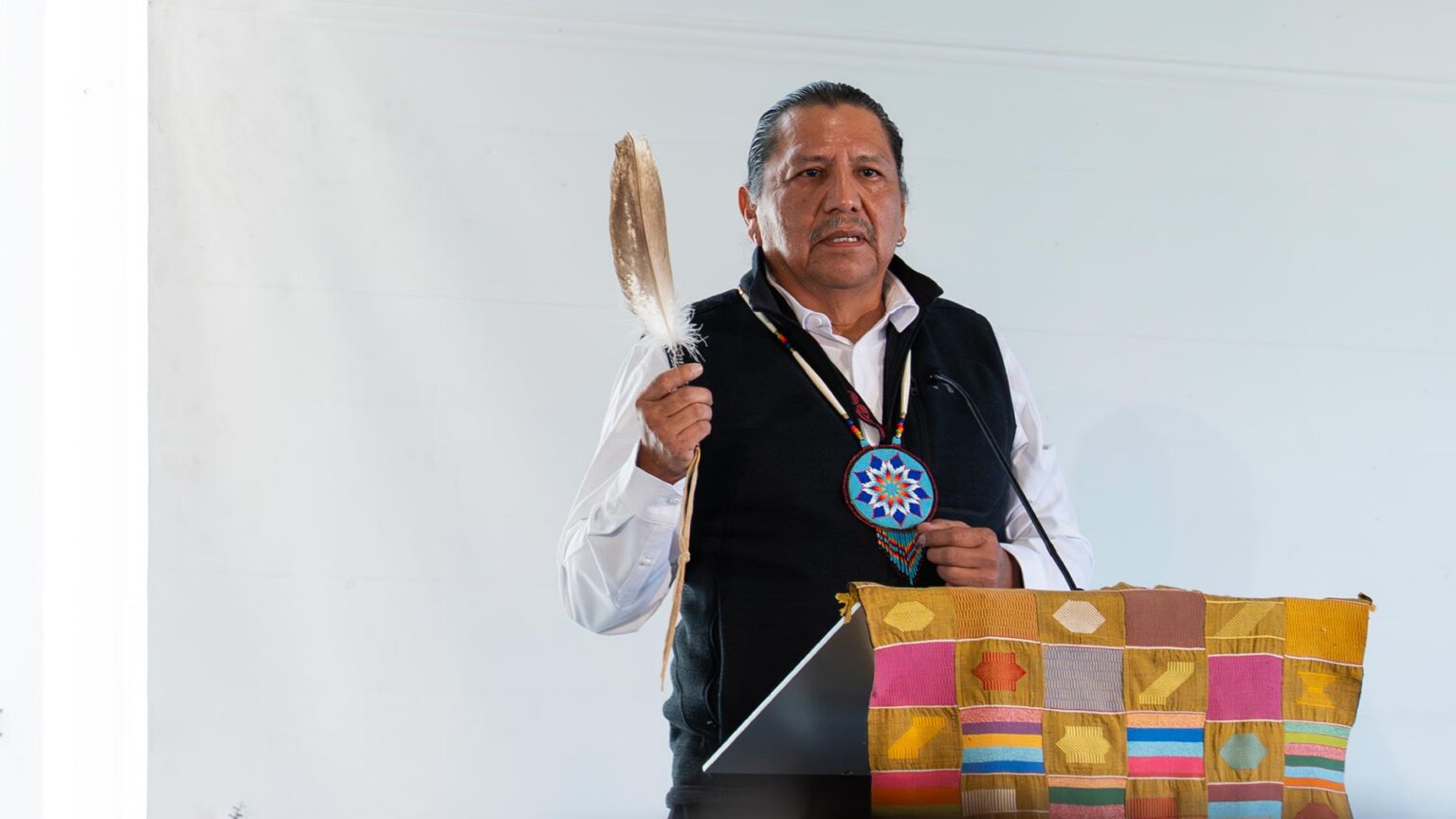
James Rattling Leaf, Sr. at the Economic Futures Summit 2025
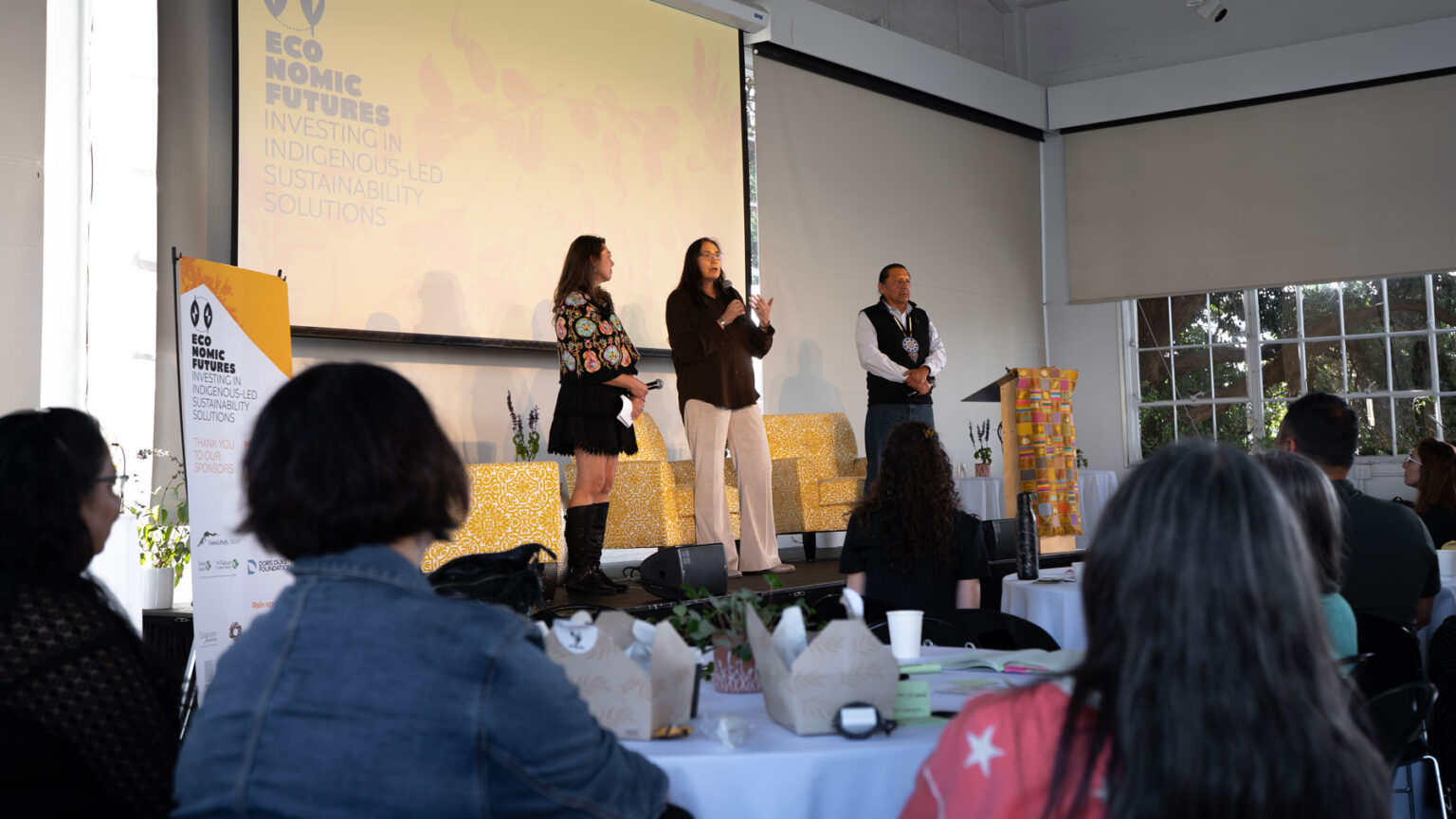
Gwen Bridge presenting at the Economic Futures Summit 2025
Economic Futures Summit, San Francisco, November 2025
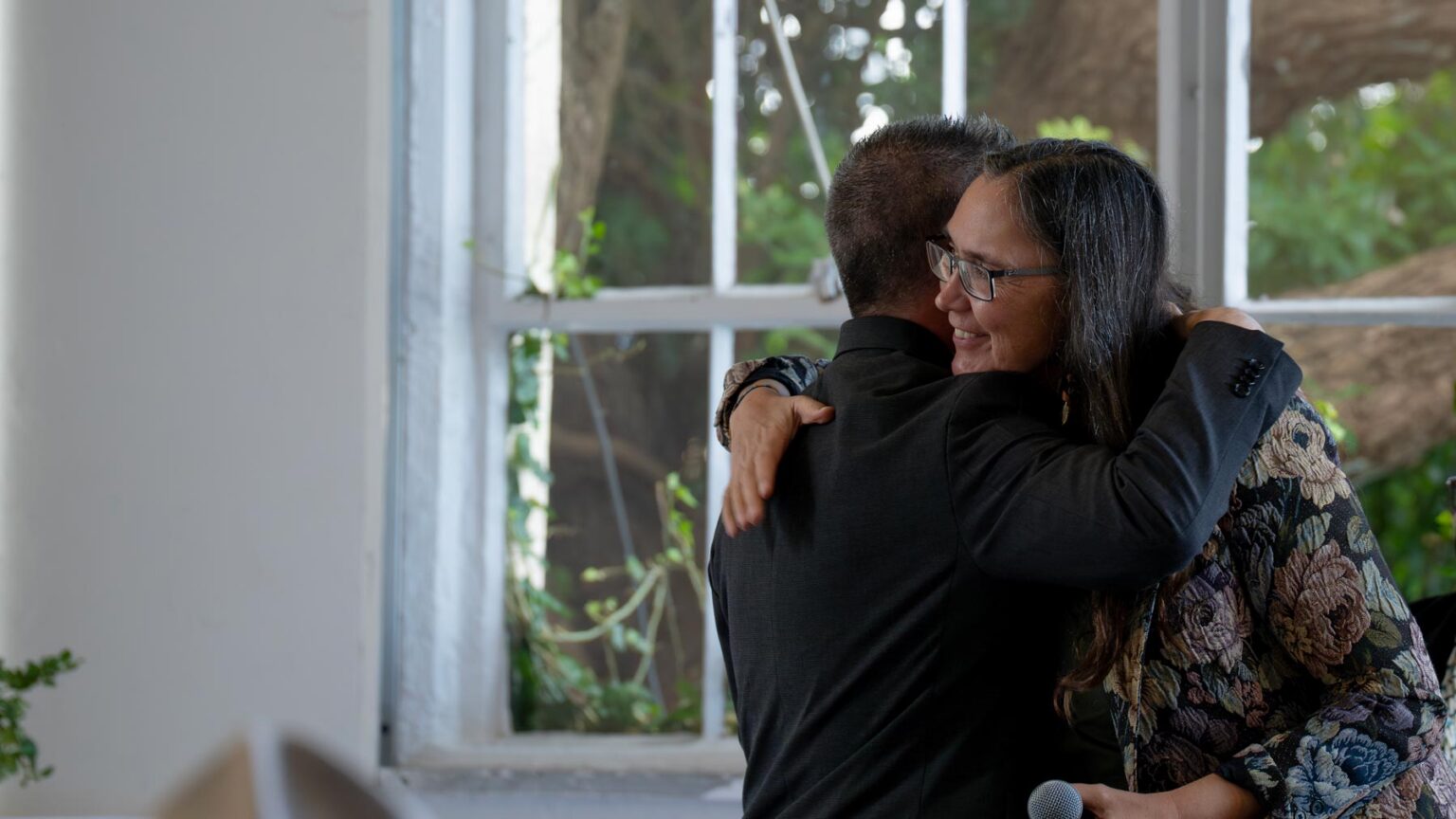
Gwen Bridge greeting an attendee at the Economic Futures Summit 2025
The Indigenous Engagement Institute (IEI) is a collaborative project by Gwen Bridge and James Rattling Leaf Sr.. As leading Indigenous experts in North America, Gwen and James have over 50 years of collective experience providing organizations with advice on how to create better relationships with Indigenous Peoples and achieve mutually beneficial outcomes for people and the planet. Their work has been instrumental in driving organizational change in governments, the private sector, NGOs, philanthropy and academia.
What we offer at the Indigenous Engagement Institute
Indigenous perspectives from two different Nations (Cree and Lakota)
Cultural intelligence and protocol, having worked with Indigenous cultures globally
A deep understanding of multinational and pluralistic legal and policy environments for advancing Indigenous rights on Turtle Island (USA and Canada) and around the world, having worked in many transboundary contexts
A track record of achieving successful Indigenous engagement, Reconciliation strategies, agreements and co-stewardship solutions between Indigenous Nations and non-Indigenous governments, as well as in the private sector and with nonprofit, academic and philanthropic organizations
Our conceptual approach and the purpose behind our work
We believe we have a moral imperative to resolve conflicts that perpetuate inequality. We all need to work to make our society more equal, more just, more enjoyable and fair for everyone in it.
In the US and Canada, we have legal imperatives to ensure that we meet our obligations to achieve the articles set out in the United Nations Declaration on the Rights of Indigenous Peoples (UNDRIP), and honor the existing Treaties, Agreements and Commitments. We recognize that many organizations whose responsibility it is to uphold these obligations are not always clear on the best path forward.
We also have an ecological imperative. We know that the world’s resources and biodiversity are changing because of climate change. Many international frameworks and fora agree that Indigenous conservation is the key to sustainability and the future survival of our Earth. They recognize the unique importance of Indigenous Peoples and knowledge in preserving biodiversity.
There is a recognition and need to learn from Indigenous Peoples and to have Indigenous Peoples guide the conservation, economic and environmental agendas, and the conversation on how to advance those agendas.
At the Indigenous Engagement Institute, our workshops and services aim to get us there.